

How Schools Can Find and Hire Sanskrit Teachers in India – Complete Recruitment Guide
Sanskrit is an important subject in many Indian school curricula. CBSE schools, state boards, and traditional institutions continue to include Sanskrit as a language subject because it helps students understand India’s cultural heritage, classical literature, and linguistic roots.
However, many schools across India face a common challenge — finding trained Sanskrit teachers who can teach grammar, literature, and pronunciation effectively while also managing classroom responsibilities.
Many school administrators search online for how to hire Sanskrit teachers in India or Sanskrit teacher recruitment for schools, especially before the new academic session begins.
This guide explains how schools can find and hire qualified Sanskrit teachers in India using a practical and structured recruitment process.
How Can Schools Hire Sanskrit Teachers in India?
Schools can hire Sanskrit teachers by defining qualification requirements such as a Bachelor’s or Master’s degree in Sanskrit and B.Ed training, posting vacancies on teacher hiring platforms, shortlisting candidates based on teaching experience, conducting demo classes to evaluate teaching clarity, and verifying certificates before final selection.
Most schools begin recruitment 30–45 days before the academic session to avoid syllabus delays and classroom disruption.
Table of Contents
- Why Schools Should Hire Trained Sanskrit Teachers
- A Real Hiring Problem Many Schools Face
- Qualifications Required for Sanskrit Teachers
- Role of a Sanskrit Teacher in School
- Where Schools Can Find Sanskrit Teachers
- Step-by-Step Hiring Process
- Interview Questions for Recruitment
- Salary of Sanskrit Teachers in India
- Common Hiring Mistakes Schools Should Avoid
- The Easiest Way to Hire Sanskrit Teachers
- FAQ
Why Schools Should Hire Trained Sanskrit Teachers
Strong Academic Performance
Sanskrit can be a high-scoring subject when taught properly with structured grammar and writing practice.
Cultural and Language Understanding
Students learn classical texts, vocabulary roots, and linguistic structures that strengthen overall language ability.
Board Examination Preparation
Trained teachers help students understand exam patterns, translation techniques, and grammar rules.
School Reputation
Schools offering strong language programs are often preferred by parents who value cultural education.
A Real Hiring Problem Many Schools Face
A CBSE school in a district town in Rajasthan faced difficulty hiring a Sanskrit teacher for Classes 6–8. Due to urgency, the school appointed a local graduate who had basic knowledge of Sanskrit but no classroom teaching experience.
Within a few months, students began struggling with grammar and translation exercises, and parents raised concerns about poor test performance.
The school management realised that Sanskrit teaching requires proper training in lesson planning, pronunciation, and exam preparation. They later hired a trained teacher with a B.Ed qualification after conducting a demo class. Student performance improved noticeably in the next term.
Many schools also face situations where experienced Sanskrit teachers prefer larger cities or stable institutions. This makes early hiring and keeping backup candidates very important.
Qualifications Required for Sanskrit Teachers
Schools should verify the following qualifications before hiring:
Bachelor’s or Master’s degree in Sanskrit
B.Ed qualification (preferred)
CTET or State TET qualification (in some schools)
Previous teaching experience
Teachers who understand board exam patterns and translation methods are usually more effective.
Role of a Sanskrit Teacher in School
A Sanskrit teacher helps students understand the structure, grammar, and literature of the language.
Typical responsibilities include:
teaching grammar, translation, and literature
conducting reading and writing exercises
preparing students for school and board exams
organising language competitions or cultural activities
improving pronunciation and comprehension
An experienced teacher makes Sanskrit interesting through stories, examples, and interactive activities.
Read Also - How Schools Can Hire Young Teachers in India and Train Them Quickly – Complete Guide
Where Schools Can Find Sanskrit Teachers
Teacher Hiring Platforms
Teacher recruitment platforms help schools connect with candidates across India rather than relying only on local references.
Platforms like SchoolNaukri allow schools to access thousands of teacher profiles, compare qualifications, and shortlist candidates faster.
Schools should avoid relying only on temporary tutors or part-time instructors without formal training because Sanskrit teaching requires structured grammar instruction and exam-focused preparation. Using nationwide teacher hiring platforms helps schools access better-qualified candidates.
Universities and Language Departments
Sanskrit departments in universities produce trained graduates who can teach in schools.
Local Referrals
Schools may receive referrals locally, but qualifications and teaching ability should always be verified carefully.
Step-by-Step Hiring Process
Step 1 – Define Requirements
Decide class levels, qualification criteria, working hours, and salary range. Some schools hire part-time language teachers depending on timetable requirements.
Step 2 – Post Vacancy
Mention school location, required qualifications, responsibilities, and salary range.
Step 3 – Shortlist Candidates
Evaluate candidates based on academic background, teaching experience, and communication skills.
Step 4 – Conduct Demo Classes
Demo classes help schools evaluate pronunciation clarity, teaching methods, and student engagement.
Step 5 – Verify Documents
Always verify degree certificates, teacher training qualifications, and previous employment records.
Schools that follow a structured Sanskrit teacher hiring process usually recruit better teachers faster. Schools recruiting language teachers can also explore structured hiring approaches used for primary and foreign language recruitment to improve candidate quality and reduce mid-session hiring pressure.
Hiring Timeline Tip
Schools should ideally begin recruitment 30–45 days before the academic session begins.
Early recruitment allows schools to plan academic schedules, conduct teacher orientation, and avoid mid-session disruptions.
Interview Questions for Recruitment
- How do you teach Sanskrit grammar to beginners?
- How do you make language learning interesting?
- How do you prepare students for exams?
- How do you support weak learners?
- These questions help evaluate teaching ability and classroom readiness.
Salary of Sanskrit Teachers in India
Typical salary ranges include:
- Beginner – ₹12,000 to ₹20,000 per month
- Experienced – ₹20,000 to ₹35,000 per month
- Senior teacher – ₹35,000+
Schools in metro cities may offer higher salaries depending on demand and experience.
Schools that offer supportive academic environments and stable salary structures usually experience better teacher retention and improved student performance in language subjects.
Common Hiring Mistakes Schools Should Avoid
- hiring teachers without demo class evaluation
- ignoring teacher training qualifications
- starting recruitment too late
- selecting candidates only based on academic degree
- Avoiding these mistakes helps schools maintain consistent academic quality.
The Easiest Way to Hire Sanskrit Teachers
Schools that plan recruitment early can avoid syllabus delays.
Teacher hiring platforms like SchoolNaukri help schools connect with thousands of verified teacher profiles across India and simplify hiring decisions.
Looking for a Teaching Job in India?
If you are looking for a teaching job anywhere in India, you can apply easily and free on
www.schoolnaukri.com — India’s No.1 teaching job platform trusted by 10,000+ schools with over 5 lakh registered teachers.

FAQ
What qualification is required for Sanskrit teachers?
Most schools prefer candidates with a Sanskrit degree and B.Ed qualification.
What salary do Sanskrit teachers earn?
Usually ₹12,000 to ₹35,000 depending on experience.
Should schools hire part-time teachers?
Yes. Optional language subjects like Sanskrit are sometimes taught by part-time instructors.
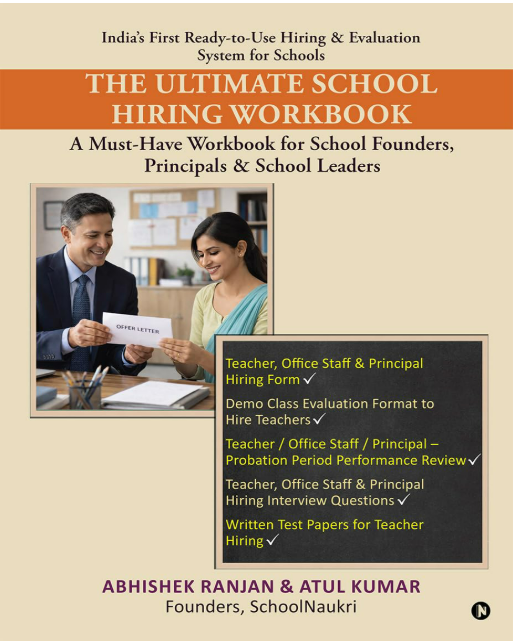
Schools can also use The Ultimate School Hiring Workbook, a practical school recruitment resource designed specifically for Indian schools. It includes ready-to-use interview questions, demo class evaluation sheets, written test formats, and structured hiring checklists.
Workbook link
https://www.amazon.in/dp/B0GPR4MQ1F
Conclusion
Schools that invest time in hiring trained Sanskrit teachers not only improve examination performance but also strengthen students’ language confidence and cultural understanding.
By following a structured recruitment process and using trusted teacher hiring platforms, schools can easily find qualified Sanskrit teachers in India.
If your school is planning to hire teachers, post your vacancy today on
www.schoolnaukri.com — India’s No.1 teacher hiring platform.